Packing Lists

Effective Date: 18 July 2026
Version: 1.0
Last Reviewed: 18 July 2026


Executive Summary

A well-planned packing list helps travellers prepare efficiently for their journey while reducing stress, avoiding unnecessary purchases and ensuring essential items are not forgotten. Packing requirements vary according to the destination, climate, duration of travel, planned activities and applicable airline baggage policies.

A comprehensive packing strategy should balance practicality, comfort and compliance with transport regulations. It should also consider weather conditions, cultural expectations, health requirements and emergency preparedness.

This guide explains how to create effective packing lists, choose appropriate luggage, organise belongings and prepare for different types of travel.


Table of Contents

  1. Introduction
  2. What Is a Packing List?
  3. Why Packing Lists Are Important
  4. Types of Packing Lists
  5. Choosing the Right Luggage
  6. Essential Travel Documents
  7. Clothing Essentials
  8. Official Sources

1. Introduction

Packing is one of the final stages of travel preparation and plays a significant role in the overall travel experience.

Effective packing helps travellers:

  • Stay organised.
  • Reduce unnecessary luggage.
  • Avoid excess baggage charges.
  • Protect valuable belongings.
  • Prepare for changing weather.
  • Respond to unexpected situations.
  • Travel more comfortably.

Packing requirements differ according to destination, transport method and travel style.


2. What Is a Packing List?

A packing list is a structured checklist of items required for a journey.

It helps travellers prepare systematically by identifying:

  • Essential documents.
  • Clothing.
  • Footwear.
  • Toiletries.
  • Electronics.
  • Medication.
  • Travel accessories.
  • Emergency items.

Using a checklist reduces the likelihood of forgetting important belongings.


3. Why Packing Lists Are Important

Packing lists provide several benefits.

They help travellers:

  • Save preparation time.
  • Avoid duplicate items.
  • Reduce unnecessary luggage weight.
  • Ensure essential documents are packed.
  • Stay within airline baggage limits.
  • Prepare for destination-specific conditions.
  • Reduce travel stress.
  • Improve organisation throughout the journey.

A written checklist is generally more reliable than relying on memory alone.


4. Types of Packing Lists

Packing lists should be adapted to the nature of the journey.

Common categories include:

Holiday Packing

Suitable for leisure travel.

Business Travel Packing

Focused on professional clothing, documents and technology.

Family Packing

Includes children’s clothing, entertainment and childcare essentials.

Adventure Travel Packing

Includes specialised outdoor equipment and safety gear.

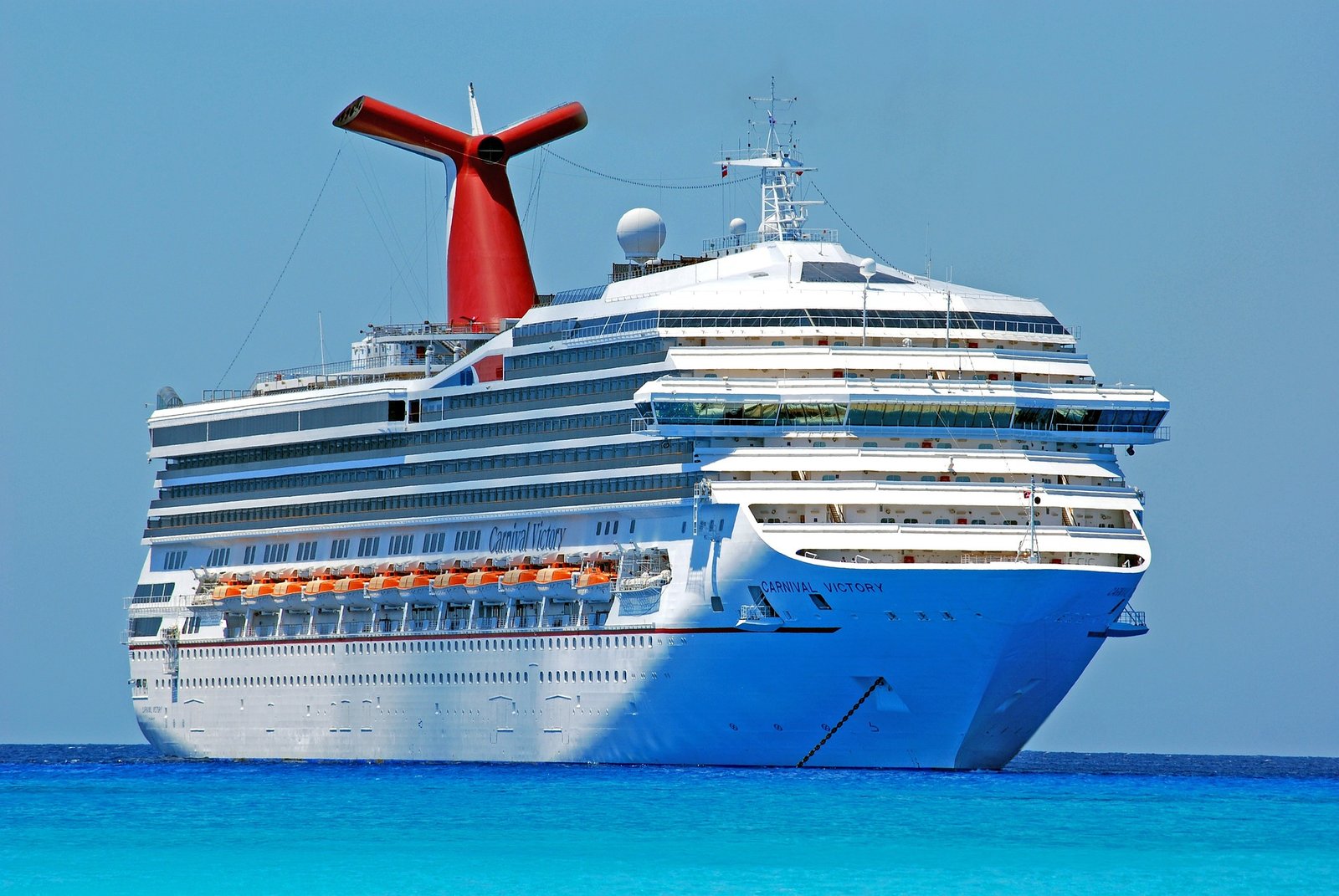
Cruise Packing

Includes formal wear, excursion clothing and cruise-specific documentation.

Winter Holiday Packing

Includes insulated clothing and cold-weather accessories.

Beach Holiday Packing

Includes lightweight clothing, swimwear and sun protection.


5. Choosing the Right Luggage

Travellers should select luggage appropriate for the duration and purpose of the journey.

Common options include:

  • Cabin luggage.
  • Checked suitcase.
  • Backpack.
  • Duffel bag.
  • Garment bag.
  • Travel organiser.
  • Packing cubes.
  • Waterproof bags.
  • Daypack.

Factors to consider include:

  • Airline baggage allowances.
  • Weight.
  • Durability.
  • Security.
  • Ease of transport.
  • Storage capacity.

6. Essential Travel Documents

Every traveller should ensure important documents are easily accessible.

Typical documents include:

  • Passport.
  • Visa where required.
  • Boarding passes.
  • Travel insurance documents.
  • Accommodation confirmations.
  • Transport tickets.
  • Car hire confirmation.
  • Emergency contact information.
  • Copies of identification documents.
  • Vaccination or health certificates where applicable.

Digital copies stored securely can provide additional protection in the event of loss.


7. Clothing Essentials

Clothing should be selected according to the destination, season and planned activities.

A basic packing list may include:

  • Underwear.
  • Socks.
  • Sleepwear.
  • Casual clothing.
  • Smart clothing where appropriate.
  • Comfortable walking shoes.
  • Sandals.
  • Jacket.
  • Waterproof clothing.
  • Hat.
  • Sunglasses.
  • Swimwear.
  • Belt.
  • Accessories appropriate for the destination.

Travellers should check local weather forecasts shortly before departure and adjust clothing accordingly.


Official Sources

United Kingdom

European Union

International

8. Toiletries and Personal Care

Travellers should pack personal care items in accordance with destination requirements and airline security regulations.

Typical toiletries include:

  • Toothbrush and toothpaste.
  • Soap or body wash.
  • Shampoo and conditioner.
  • Deodorant.
  • Hairbrush or comb.
  • Razor and shaving products.
  • Moisturiser.
  • Lip balm.
  • Sunscreen.
  • Hand sanitiser.
  • Tissues.
  • Personal hygiene products.

Liquids carried in cabin baggage must comply with the applicable airport security regulations.


9. Medication and First Aid

Medical items should be packed according to personal health requirements.

Recommended items include:

  • Prescription medication.
  • Copies of prescriptions.
  • Pain relief medication.
  • Allergy medication.
  • Motion sickness tablets.
  • Adhesive plasters.
  • Antiseptic wipes.
  • Thermometer.
  • Insect repellent.
  • Oral rehydration salts.
  • Basic first aid supplies.

Travellers should keep essential medication in their cabin baggage where possible and check destination regulations regarding controlled medicines.


10. Electronics

Electronic devices have become essential travel companions.

Common items include:

  • Mobile phone.
  • Laptop or tablet.
  • Camera.
  • Smartwatch.
  • E-reader.
  • Power bank.
  • Charging cables.
  • Universal travel adapter.
  • Headphones.
  • Memory cards.

Travellers should ensure all devices are fully charged before departure and carry chargers in easily accessible luggage.


11. Money and Payment Essentials

Travellers should prepare appropriate payment methods before travelling.

Recommended items include:

  • Debit card.
  • Credit card.
  • Local currency.
  • Emergency cash.
  • Digital payment applications where accepted.
  • Currency exchange information.
  • Emergency bank contact details.

Using more than one payment method can provide additional security if a card is lost or declined.


12. Travel Comfort Items

Comfort items can improve the travel experience, particularly during long journeys.

Examples include:

  • Neck pillow.
  • Eye mask.
  • Earplugs.
  • Reusable water bottle.
  • Travel blanket.
  • Compression socks.
  • Reusable shopping bag.
  • Snacks where permitted.
  • Reading material.

Travellers should ensure that food items comply with airline and destination import regulations.


13. Family Packing

Families travelling with children may require additional items.

These commonly include:

  • Baby formula where required.
  • Bottles.
  • Nappies or diapers.
  • Baby wipes.
  • Pushchair or stroller.
  • Child carrier.
  • Toys.
  • Children’s medication.
  • Snacks.
  • Spare clothing.
  • Comfort items.

Packing familiar items may help children feel more comfortable during travel.


14. Business Travel Packing

Business travellers often require additional professional equipment.

Typical items include:

  • Business attire.
  • Laptop.
  • Charger.
  • Business cards.
  • Presentation materials.
  • Portable charger.
  • Notebook.
  • Pens.
  • Company identification where required.
  • Meeting documentation.

Travellers should ensure electronic devices comply with employer security policies.


Official Sources

United Kingdom

European Union

International

15. Adventure and Outdoor Packing

Adventure travel often requires specialised equipment depending on the destination and planned activities.

Items may include:

  • Hiking boots.
  • Waterproof clothing.
  • Thermal layers.
  • Walking poles.
  • Head torch.
  • Multi-tool where permitted.
  • Dry bags.
  • Reusable water bottle.
  • Hydration system.
  • Compass or GPS device.
  • Emergency whistle.
  • Lightweight first aid kit.

Travellers should only pack equipment that complies with airline security regulations and the laws of the destination.


16. Winter Travel Packing

Cold-weather destinations require additional preparation.

Recommended items include:

  • Insulated jacket.
  • Thermal underwear.
  • Waterproof gloves.
  • Warm hat.
  • Scarf.
  • Thermal socks.
  • Snow boots.
  • Hand warmers.
  • Sunglasses for snow glare.
  • Lip balm and moisturiser.

Layering clothing helps regulate body temperature in changing weather conditions.


17. Beach Holiday Packing

For warm-weather and coastal destinations, travellers should consider packing:

  • Swimwear.
  • Beach towel.
  • Flip-flops or sandals.
  • Lightweight clothing.
  • Wide-brimmed hat.
  • Sunglasses.
  • Reef-safe sunscreen where available.
  • Reusable water bottle.
  • Waterproof phone pouch.
  • Beach bag.
  • Snorkelling equipment if appropriate.

Sun protection is essential, particularly during periods of strong UV exposure.


18. Packing Tips

Efficient packing can help maximise luggage space and minimise travel inconvenience.

Good practices include:

  • Rolling clothing to reduce creasing.
  • Using packing cubes to organise items.
  • Placing heavier items at the base of the suitcase.
  • Keeping valuables in cabin baggage.
  • Labelling all luggage clearly.
  • Weighing luggage before departure.
  • Leaving space for purchases made during the trip.
  • Separating liquids in accordance with airport security requirements.

Packing strategically can improve organisation throughout the journey.


19. Packing Checklist

Before leaving home, travellers should confirm they have packed:

Documents

  • Passport.
  • Visa (if required).
  • Boarding passes.
  • Travel insurance documents.
  • Accommodation confirmations.
  • Transport tickets.
  • Emergency contacts.

Clothing

  • Everyday clothing.
  • Appropriate footwear.
  • Weather-specific outerwear.
  • Sleepwear.
  • Swimwear where required.

Toiletries

  • Toothbrush and toothpaste.
  • Shampoo and soap.
  • Personal hygiene products.
  • Sunscreen.
  • Prescription medication.

Electronics

  • Mobile phone.
  • Chargers.
  • Power bank.
  • Universal travel adapter.
  • Headphones.

Miscellaneous

  • Wallet.
  • Payment cards.
  • Local currency where needed.
  • Reusable water bottle.
  • Reading material.
  • Small day bag.

20. Common Packing Mistakes to Avoid

Travellers frequently encounter avoidable packing problems.

Common mistakes include:

  • Overpacking.
  • Forgetting travel documents.
  • Ignoring airline baggage limits.
  • Packing prohibited items.
  • Leaving medication in checked baggage.
  • Not checking destination weather.
  • Carrying unsuitable footwear.
  • Packing valuables in checked luggage.
  • Forgetting chargers and adapters.
  • Leaving packing until the last minute.

Preparing a checklist several days before departure helps reduce the risk of these issues.


21. Frequently Asked Questions (FAQ)

When should I start packing?

Preparing a packing list at least one week before departure and packing one or two days before travel allows time to obtain any missing items.


Should I roll or fold clothing?

Rolling clothing generally saves space and can help reduce creasing, although delicate garments may be better folded.


What should always go in cabin baggage?

Essential documents, medication, valuables, electronics and one change of clothing are generally recommended for cabin baggage, subject to airline regulations.


How can I avoid excess baggage charges?

Check your airline’s baggage allowance before travelling, weigh luggage in advance and avoid packing unnecessary items.


Should I carry printed travel documents?

Although many documents are available digitally, carrying printed copies can be helpful if electronic devices fail or internet access is unavailable.


Do I need a universal travel adapter?

If travelling internationally, a universal adapter may be necessary to use electronic devices safely with different electrical socket types.


Glossary

Cabin Baggage
Luggage carried into the aircraft cabin, subject to airline size and weight restrictions.

Checked Baggage
Luggage transported in the aircraft hold and checked in before departure.

Packing Cubes
Lightweight organisers used to separate clothing and personal items within luggage.

Travel Adapter
A device allowing electrical plugs to be used with different socket types in other countries.

Personal Item
A small bag permitted in addition to cabin baggage by many airlines, such as a handbag, laptop bag or small backpack.

Baggage Allowance
The maximum size, weight or number of bags permitted under an airline ticket.


Related Travellin.org Guides

  • Plan & Book
  • Travel Services
  • Destination Guides
  • Flights
  • Hotels
  • Car Hire
  • Airport Transfers
  • Travel Insurance
  • Family Travel
  • Adventure Travel
  • Sustainable Travel

Version History

VersionDateDescription
1.018 July 2026Initial publication

Review Schedule

This guide should be reviewed:

  • annually;
  • whenever airline baggage regulations or airport security requirements change;
  • following updates to international health or customs guidance affecting travellers;
  • as new travel equipment, luggage standards or sustainable packing practices become established.

Legal Disclaimer

This guide is published by Travellin.org for general informational purposes only.

It does not constitute legal, medical or professional travel advice. Airline baggage policies, airport security rules, customs regulations and destination requirements vary between countries and transport providers.

Travellers should verify the latest baggage allowances, prohibited item lists and entry requirements with their airline and the relevant authorities before travelling.


Official Sources

United Kingdom

European Union

International


Best Practice Recommendations

To travel efficiently and minimise packing-related issues, Travellin.org recommends that travellers:

  • Prepare a destination-specific packing list well before departure.
  • Pack only items that are necessary for the climate, activities and duration of the trip.
  • Keep passports, travel documents, medication and valuables in cabin baggage whenever possible.
  • Check airline baggage allowances and airport security requirements before packing.
  • Use packing organisers to maximise luggage space and simplify access to belongings.
  • Leave some spare luggage capacity for purchases made during the trip.
  • Label all luggage clearly and keep emergency contact details inside each bag.
  • Review the packing list one final time before leaving for the airport or departure point.

Thoughtful packing improves comfort, reduces travel stress and helps ensure that travellers are fully prepared for every stage of their journey.